
On This Page
A practical, no-fluff guide to choosing the right platform for your directory business, whether you prefer full control, zero maintenance, or rapid prototyping.
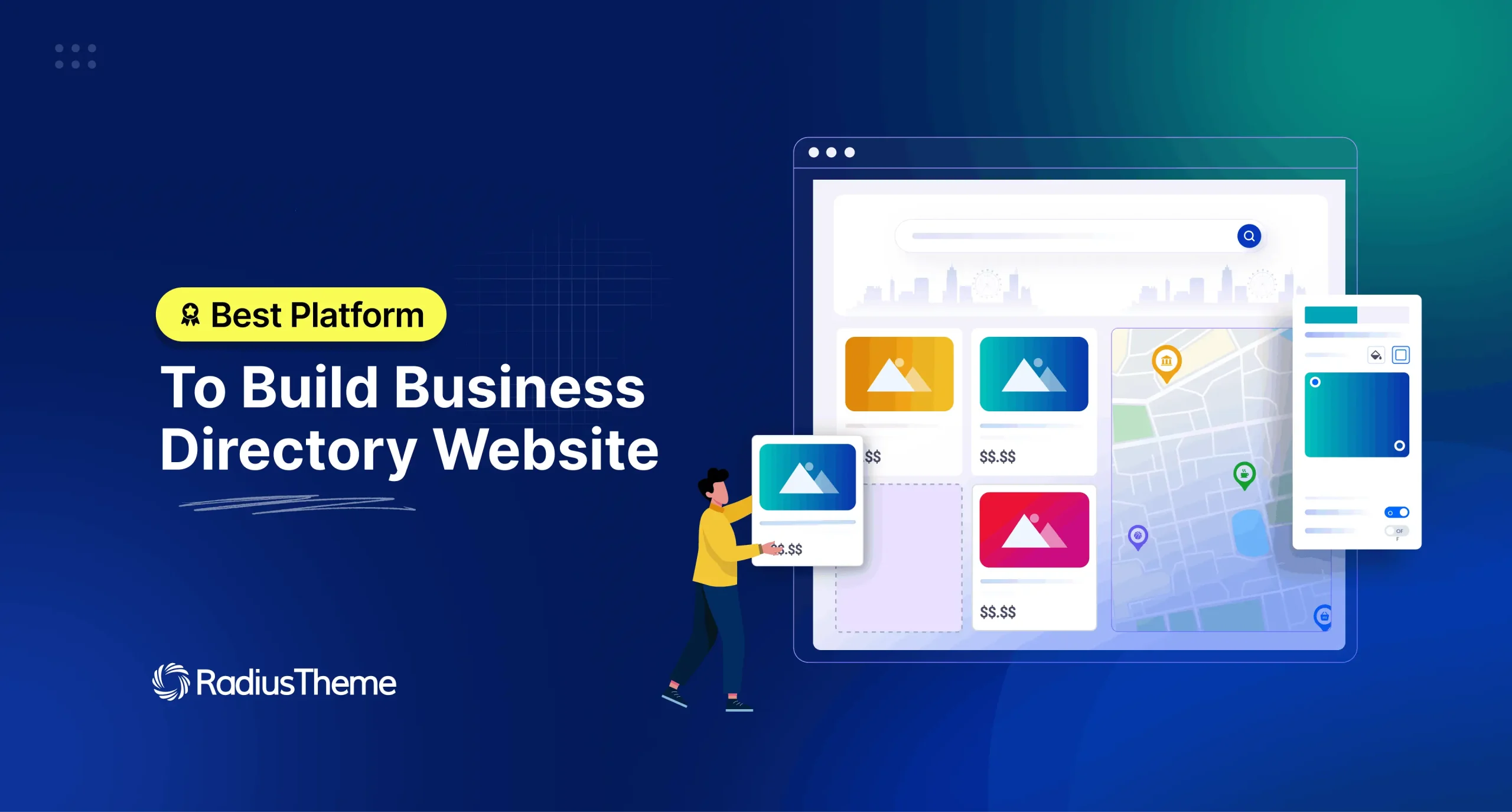
Building a business directory website is one of the most rewarding online ventures you can start. From local service finders to niche industry portals, directories connect people with the businesses they need, and they generate revenue through listing fees, featured placements, and advertising.
But before you write a single line of content or add your first listing, you need to answer the most important question: which platform should you build it on?
The honest answer is that there is no single “best” platform for everyone. The right choice depends on your technical skills, budget, long-term goals, and how much control you want over your website. After analyzing community discussions, real user experiences, and hands-on testing across dozens of tools, three distinct approaches stand out: WordPress for maximum control, SaaS platforms for convenience, and no-code tools for speed.
This guide breaks down each approach in detail so you can make a confident, well-informed decision.
WordPress: The Powerhouse for Full Control

WordPress powers a massive portion of all websites on the internet, and for good reason. Its open-source nature, enormous plugin ecosystem, and unmatched flexibility make it the go-to choice for directory entrepreneurs who want complete ownership of their platform.
Best for: Entrepreneurs who want full ownership, maximum SEO control, and lower long-term costs.
Why WordPress Dominates the Directory Space
Across forums, Reddit threads, and community discussions, WordPress consistently ranks as the top recommendation for directory websites. The reasons are clear: you own everything, you control the SEO strategy, and the one-time cost of a theme or plugin is far cheaper than ongoing SaaS subscriptions over time.
WordPress also gives you the freedom to customize every aspect of your directory. Need custom fields for business hours, pricing tiers, or service areas? Done. Want to integrate Google Maps, booking systems, or payment gateways? The ecosystem has you covered. You can explore the detailed process in our guide on how to create a directory website in WordPress.
Top WordPress Directory Solutions
Classified Listing by RadiusTheme
Classified Listing by RadiusTheme stands out as a comprehensive, all-in-one solution for WordPress directories. Unlike many competitors that charge separately for every add-on, this plugin bundles the search engine, booking system, ad management, and listing features into a single package. It also comes with AI-powered features that help automate listing descriptions and category assignments, giving you a modern edge over traditional directory plugins.
Strengths: AI-powered features, cost-effective over time, extensive built-in feature set, no reliance on paid add-ons for core functionality, theme-independent design.
Considerations: Like any WordPress solution, you will need to handle hosting and basic site management yourself. There is a modest learning curve if you are completely new to WordPress.
For a deeper look at what the WordPress directory plugin ecosystem offers, check out our roundup of the best WordPress directory plugins.
GeoDirectory
GeoDirectory is a plugin (not a theme) designed for scale. If your plan involves building a directory with hundreds of thousands or even millions of listings, GeoDirectory is the most technically robust choice. It integrates with popular page builders like Elementor and offers excellent location-based search capabilities.
Strengths: Extremely scalable, developer-friendly, works with any WordPress theme, strong location and map features.
Considerations: The free version is limited to a single city or location. For multi-location directories, you need a paid membership. Premium add-ons can increase total cost.
MyListing
MyListing is the design-forward option. Built on the Elementor page builder, it allows you to create visually stunning directory interfaces that resemble platforms like Airbnb or Yelp. If design and user experience are your top priorities, MyListing delivers.
Strengths: Beautiful and modern UI, highly flexible design options, strong visual customization capabilities.
Considerations: Requires more setup time than plugin-based solutions. Relies heavily on Elementor, which adds another layer of complexity and potential performance overhead.
HivePress
HivePress deserves mention for offering one of the most generous free tiers in the WordPress directory space. The core plugin paired with its free ListingHive theme provides custom fields, search filtering, geolocation, reviews, and messaging out of the box. For startups testing a concept on a tight budget, it is a strong starting point.
Strengths: Generous free tier, lightweight and modular design, supports marketplace functionality.
Considerations: Advanced features like booking and SEO tools require paid extensions. The full extension bundle adds to the overall investment.
If you prefer a theme-based approach rather than plugins, our list of best WordPress directory themes covers the top options available.
SaaS Solutions: The Turnkey Option
Not everyone wants to manage hosting, updates, and security patches. SaaS (Software as a Service) directory builders provide a hosted, ready-to-go platform where you log in, configure your settings, and start adding listings. Everything from server maintenance to software updates is handled for you.
Best for: Non-technical users who want a business in a box and are willing to pay a monthly fee to avoid all maintenance tasks.
Brilliant Directories
Brilliant Directories is the most well-known SaaS platform specifically built for directory and membership websites. It has been in the market since 2009 and has built a loyal community of users who run directories across multiple industries.
The platform includes built-in membership management, email marketing tools, recurring payment processing, lead generation forms, and SEO features. You do not need to install plugins or manage servers. Real user testimonials frequently highlight how quickly they were able to launch a functional directory, sometimes within hours.
Strengths: Fastest time to launch, zero technical headaches, excellent customer support, built-in monetization tools for memberships and paid listings.
Considerations: You are essentially renting the platform and will pay monthly fees indefinitely. Customization is limited to what the platform allows. Migrating away from the platform can be difficult if you decide to switch later. You can learn more about this trade-off in our comparison of best directory website builders.
eDirectory
eDirectory is another strong SaaS option designed for larger-scale directories and marketplaces. It offers multi-level categories, advanced search and filtering, front-end listing submissions, built-in e-commerce capabilities, and membership management. If you need enterprise-level features without managing your own infrastructure, eDirectory is worth considering.
Strengths: Feature-rich, supports complex directory structures, strong monetization options.
Considerations: Higher price point than most alternatives. May be more than what smaller or niche directories need.
No-Code Tools: The Modern MVP Approach
The no-code movement has opened up directory building to people who want to prototype fast, test ideas cheaply, and build visually polished platforms without writing code. These tools are ideal for validating a niche concept before investing heavily in a full-featured solution.
Best for: Innovative startups and solopreneurs testing a specific niche idea (for example, a directory for co-working spaces, pet-friendly restaurants, or freelance designers in a specific city).
Softr + Airtable
The Softr and Airtable combination has become a favorite among no-code builders for directory projects. Airtable serves as your database (think of it as a powerful, flexible spreadsheet), while Softr transforms that data into a clean, professional-looking website with login systems, user roles, and dynamic pages.
Strengths: Incredibly easy to manage data, produces modern and clean-looking websites, excellent for curated lists and small to mid-sized directories, supports user authentication and role-based access.
Considerations: Airtable has record limits (50,000 to 125,000 depending on plan) that constrain growth. SEO capabilities are limited compared to WordPress. Performance can slow down with larger datasets. You are dependent on two separate platforms, each with its own pricing structure.
Bubble.io
If you want to build a highly customized directory with complex logic, think of features like “if a user does X, then trigger Y,” Bubble.io is the most powerful visual programming tool available. It can replicate nearly any web application functionality without traditional coding.
Strengths: Near-limitless customization possibilities, powerful workflow automation, supports complex business logic.
Considerations: Steep learning curve, especially for true beginners. Performance optimization requires careful planning. The platform can become expensive as your application scales.
Webflow + Airtable + Whalesync
For those who want full design control with no-code convenience, the Webflow, Airtable, and Whalesync stack is gaining popularity. Webflow handles the frontend design with pixel-perfect precision, Airtable manages the listing data, and Whalesync keeps everything synchronized in real time.
Strengths: Professional-grade design output, strong SEO capabilities through Webflow, and real-time data synchronization.
Considerations: Requires managing three separate tools and subscriptions. The combined cost can add up quickly. Not ideal for very large directories.
Head-to-Head Comparison
The following table summarizes how each platform category performs across the factors that matter most when building a directory website.
| Feature | WordPress | SaaS (e.g. Brilliant Directories) | No-Code (e.g. Softr) |
| Setup Difficulty | Medium | Low (Easiest) | Low to Medium |
| Ongoing Maintenance | Moderate (updates, hosting, backups) | None (fully managed) | Low |
| Customization | Unlimited | Limited to platform features | Medium |
| SEO Control | Full control | Basic to moderate | Limited |
| AI Integration | High (open API access) | Low (dependent on vendor updates) | Medium (native integrations) |
| Cost Structure | One-time theme/plugin + hosting | Monthly subscription (ongoing) | Monthly subscription(s) |
| Data Ownership | 100% yours | Hosted on their servers | Split across platforms |
| Scalability | Unlimited with proper hosting | Platform-dependent limits | Constrained by record limits |
| Best For | Serious, long-term directories | Quick launch, zero tech skills | MVPs and curated lists |
What Real Users Say
User feedback from communities like Reddit, HubSpot forums, and Warrior Forum reveals some consistent patterns that are worth noting.
WordPress users frequently praise the level of control and customization they get. Many report that after an initial setup period, WordPress directories become easy to maintain and extremely cost-effective. A common piece of advice is to choose a solution (whether a plugin like Classified Listing Pro or a theme like MyListing) that bundles core features together rather than relying on a patchwork of third-party plugins that can break during updates.
Brilliant Directories users love the speed of getting started and the responsiveness of the support team. Multiple users have built profitable directory businesses without any coding knowledge. The trade-off they accept is the ongoing monthly cost and the fact that deep customization is not always possible.
No-code users appreciate how quickly they can validate an idea. Softr users in particular highlight the ease of connecting Airtable data to a polished frontend. The limitation most commonly cited is scalability, as both Airtable record limits and Softr performance constraints can become bottlenecks as a directory grows beyond a few thousand listings.
How to Choose the Right Platform for Your Directory
Rather than recommending one platform for everyone, consider these decision factors to match the right tool to your situation.
Consider Your Technical Comfort Level
If you have some experience with WordPress or are willing to invest a few days learning, the WordPress route offers the best return on investment over time. If you have zero technical skills and want to launch quickly, a SaaS solution like Brilliant Directories removes all friction. If you are comfortable with spreadsheet-style tools and want to test an idea first, a no-code stack like Softr + Airtable is your fastest path to a working prototype.
Think About Long-Term Costs
WordPress has higher upfront effort but lower ongoing costs. You pay for hosting (typically around $5 to $30 per month for quality managed hosting) and a one-time theme or plugin purchase. SaaS platforms charge monthly fees that continue as long as you use the service. Over multiple years, this can add up to significantly more than the WordPress approach. No-code tools fall somewhere in between, depending on how many services you stack together. For a detailed look at hosting choices, see our guide to best hosting for classified websites.
Evaluate SEO Requirements
If organic search traffic is critical to your directory’s success, and for most directories it absolutely is, WordPress gives you the most control. You can optimize every URL structure, meta tag, schema markup, and page loading speed. SaaS platforms offer basic SEO but with less granular control. No-code tools often have the most limited SEO capabilities. For more on optimizing your directory for search engines, read our guide on SEO for directory websites.
Assess Scalability Needs
If you plan to grow your directory to tens of thousands of listings or beyond, WordPress with a scalable plugin like GeoDirectory or Classified Listing Pro is the safest bet. SaaS platforms have their own scaling capabilities but are limited by the vendor’s infrastructure decisions. No-code tools hit practical limits the fastest due to database record caps and performance constraints.
Factor in Monetization Plans
All three approaches support monetization, but the flexibility varies. WordPress gives you total control over pricing, payment gateways, subscription models, and ad placements. SaaS platforms typically have built-in monetization but may limit how you structure your pricing. No-code tools require you to integrate payment solutions separately. Our article on how to earn money from a business directory website covers monetization strategies in detail.
The Verdict
Choose WordPress if you are serious about building a long-term directory business, want full SEO control, prefer one-time costs over ongoing subscriptions, and are willing to invest a bit of time in learning the platform. For most directory businesses, this is the recommended path. Solutions like Classified Listing Pro offer the best balance of features, affordability, and ease of use.
Choose a SaaS platform like Brilliant Directories if you have a budget for monthly fees, zero time or desire to manage technical aspects, and your primary goal is managing paid memberships rather than building a deeply customized platform.
Choose a no-code tool like Softr + Airtable if you are building a small, curated directory, want to test an idea before committing to a bigger investment, or need something up and running within a single weekend.
No matter which platform you pick, the most critical factor is execution. A well-run directory on any platform will outperform a poorly maintained directory on the “perfect” platform. Pick the tool that matches your strengths, launch your project, and iterate from there.
Frequently Asked Questions
WordPress with a free or one-time-purchase plugin is the most cost-effective long-term option. Plugins like the free version of Classified Listing or HivePress let you start without any upfront investment beyond basic hosting. As your directory grows and generates revenue, you can upgrade to premium features.
Yes, all three platform categories covered in this guide, WordPress, SaaS, and no-code, allow you to build a fully functional directory without writing code. WordPress themes and plugins provide visual builders. SaaS platforms handle everything behind the scenes. No-code tools like Softr use drag-and-drop interfaces connected to spreadsheet-style databases.
WordPress offers the most comprehensive SEO control. You can install dedicated SEO plugins, customize URL structures, add schema markup, optimize page speed, and control every technical SEO element. SaaS platforms provide basic SEO features but with less flexibility. No-code tools generally have the most limited SEO options. For practical SEO tips, visit our guide on adding schema markup in WordPress.
Common monetization methods include charging businesses for premium listings, offering featured placement at the top of search results, selling advertising space, charging for claim-your-listing features, running a subscription or membership model, and generating leads for service providers. Our detailed guide on earning money from directory websites covers each strategy in depth.
Modern WordPress directory themes and plugins have made the platform much more accessible than it used to be. Many solutions now offer one-click demo imports, drag-and-drop builders, and step-by-step setup wizards. While there is a learning curve, most beginners can have a functional directory running within a few days of focused effort.
Switching platforms is possible but involves effort. Moving from a SaaS platform to WordPress typically requires exporting your data and rebuilding the site structure. Moving between WordPress plugins is usually easier since your content stays in the WordPress database. Starting on a no-code tool and later migrating to WordPress is common for people who validate an idea first and then invest in a more robust solution.
Key features to evaluate include search and filtering capabilities, map integration, front-end listing submission forms, monetization options (paid listings and subscriptions), review and rating systems, mobile responsiveness, SEO-friendliness, and the quality of customer support. Choosing a solution that bundles the most critical features into the core product, rather than charging for each one as an add-on, will save you money and reduce complexity. Browse our curated list of best classified WordPress themes to compare options.