On This Page
Starting an online clothing business is a great idea. However, it is more complicated than merely having a website or paying for a great ad. The very first step is choosing the ideas that are likeliest to succeed.
Making an informed decision isn’t easy, which is why we are here for you. In this article, we aim to jumpstart your successful venture into online clothing businesses. After we look at the best ideas that we’ve researched for you, we’ll look at the online channels available for utilizing the idea you’ll choose.
7 Best Online Clothing Business Ideas
In our quest to bring you the best clothing business ideas, we evaluated many options. We set some strict parameters so that only 7 remained. All the business ideas we’ve listed for you here qualified under the following conditions:
- Highly profitable
- Little experience and learning required
- Little to no inventory needed
- Flexibility to operate online
- Low to medium investment needed
Here are the best online clothing business ideas.
| Online Clothing Business Idea | Average Starting Cost |
| Custom Print-on-demand | $350 – $2,500 |
| Limited Edition Designer Clothes | $500 – $10,000 |
| Inclusive Fashion | $17,000 – $46,000 |
| Sustainable Clothing | $18,500 – $100,000 |
| Kid’s Wear | $3,500 – $23,000 |
| Athletic and Fitness Clothing | $3,500 – $60,000 |
| Corporate Clothing | $1,000 – $3,500 |
Idea 1: Custom Print-on-demand

Custom printing online clothing businesses enable customers to personalize prints on clothes. You can print their own designs, text, or graphics on their t-shirts and hoodies. If you want to use your own printing equipment, you’ll need to consider the cost.
For low-cost startups, you can run a custom print-on-demand business. Once customers make orders, you can outsource printing to a third party. You can also have the same third party fulfil and ship the order.
Pros:
- Low initial and running costs
- Gives access to niche markets due to unique and personalized items
- Doesn’t need you to hold inventory
Cons:
- Stiff competition, demanding exceptional marketing to gain an advantage
How to implement:
- Choose a print-on-demand platform, such as Qikink
- Make or outsource trendy clothing designs awaiting or upon demand
- Set up your own online store on eCommerce platforms like WooCommerce
- Use the channels like social media and influencers to market your services
- Adapt your designs and strategies according to customer feedback
Print-on-demand platforms like Qikink integrate with WooCommerce and shopify. Therefore, you can start selling your products and services easily.
Idea 2: Limited Edition Designer Clothes

When dealing with limited edition designer clothes, you may need to collaborate with local or famous designers. Limited edition clothing items are considered precious and they advantage of the fear of missing out to boost sales. With between $500 and $10,000, you can start this online clothing business.
Pros:
- You can make your business an overnight success with the right collaboration
- Profit margins can be astronomical due to premium pricing on limited edition items
- Better credibility and brand visibility through association with renowned designers
Cons:
- High initial investment for marketing and designer fees
- Risk of underestimating production costs and overestimating demand
How to Implement:
- Approach established designers with style that matches your brand identity and target audience
- Discuss collaboration terms, including distribution agreements, product timelines, and design concepts.
- Work with designers and manufacturers to produce collections
- Prioritize executing strategic marketing campaigns to create the necessary buzz
- Release collections through exclusive channels, such as select retailers, online platforms, and flagship stores
Idea 3: Inclusive Fashion
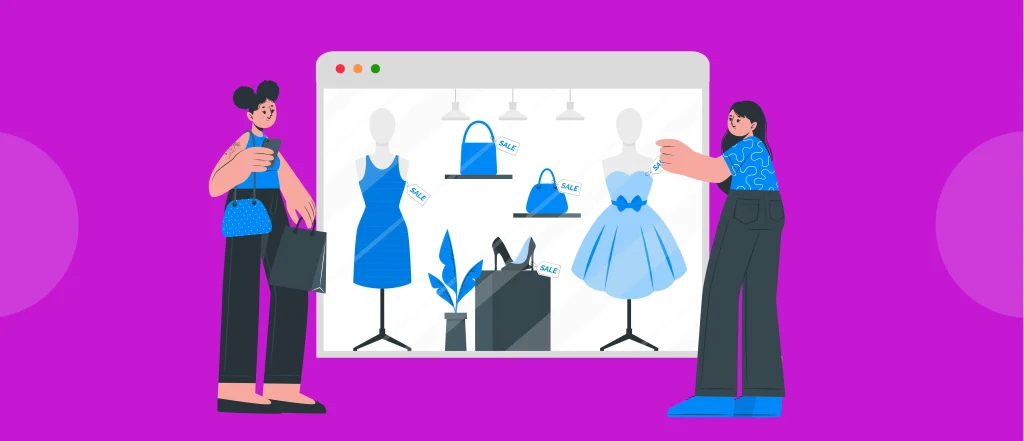
In the age of celebrating inclusivity, cultural, size, and fit diversity are a major trend in the fashion industry. Clothing designers can now dare to create clothes for a wide range of figures.
You can focus on ideas that address the reality of different communities. For instance, you can adapt clothes to various disabled bodies. You can look at the viability of each path before committing to it.
With inclusive fashion, you need to keep a close eye on the current trend. If waves shift, adapt accordingly to remain profitable.
Pros:
- High potential for a loyal customer base
- Great opportunity for spreading love and promoting diversity
- High demand due to increased inclusivity in fashion
Cons:
- Sourcing these clothes may require specialized manufacturers, making it difficult
- Comparatively heavier investment
How to Implement:
- Consider your target demographics, their preferences, and your competitors in this niche market. For plus-size fashion, consider all clothes above 3XL.
- Contact suppliers who deal in the inclusive fashion you want
- Develop a brand that emphasizes inclusivity and style
- Launch an eCommerce website and social media channels to showcase and sell your products
- Modify your offerings based on user feedback and profit margins
Idea 4: Sustainable Clothing

Sustainable clothing businesses focus on eco-friendly apparel. They ensure employment of ethical production practices and use of environmentally friendly materials.
Pros:
- Attracts a niche market of eco-conscious customers
- Provides excellent opportunity for partnerships with ethical suppliers, eco-friendly friendly organizations, and sustainable fashion initiatives.
Cons:
- High production costs due to sustainable materials and ethical labor efforts
- Strict production and material demands may limit design options
How to Implement:
- Ensure eco-friendly offerings by researching sustainable production methods
- Collaborate with artisans, manufacturers, and suppliers who observe ethical production and labor practices
- Create designs that reflect your brand values without losing style
- Ensure that your supply chain’s practices are all traceable
Idea 5. Kids’ Wear
Kids’ wear online businesses focus on children’s clothes and accessories. Your range can encompass all kids between infants and pre-teens. Specializing in kids’ wear brings a high likelihood for recurring orders.
Pros:
- Steady demand because children quickly outgrow clothes
- Great potential for fostering long-term brand loyalty
- Freedom to explore various materials, themes, and styles to suit different age groups
Cons:
- Compliance with children’s clothing safety and regulatory standards is important and difficult. Dyes and materials must meet these standards.
How to Implement:
- Conduct market research, including customer preferences, current trends, and competitors
- research on the qualifications of kid-friendly clothes
- create child-friendly designs with inspiration from popular brands in the niche
- establish distribution channels
- execute marketing strategies that target parents
Idea 6: Athletic and Fitness Clothing

Clothing in this category is functional and ideal for athletic activity and casual use. The fashion industry is experiencing steady growth, therefore providing a reliable market. The category is also great because its clothes are also quite fashionable.
Pros:
- Steadily growing market due to popularity of fitness activities
- Takes advantage of both fashion and fitness niches simultaneously
- Great potential for expanding brand into lifestyle and accessories
Cons:
- High-quality materials and design expertise is needed to make practical and helpful clothes for fitness activities
How to Implement:
- Look at established brands in the niche to understand the top selling items and target demographics
- Craft a brand identity with a logo, brand colors, and solid brand messaging
- Design clothing that embodies both style and athletic functionality
- Build a social media presence and eCommerce website
- Collaborate with gyms and fitness influencers for more exposure and conversions
Idea 7: Corporate Clothing

A corporate clothing business is one in which you can supply companies, events, and organizations with personalized clothes. These clothes can be caps, polo shirts, t-shirts, or jackets with company logo prints and custom branding.
Pros:
- Working with corporate targets can open up opportunities for consistent orders
- Higher profit margins than regular retail plans due to bulk ordering
Cons:
- Requires forging relationships with corporate clientele, which isn’t easy to accomplish
How to Implement:
- Conduct thorough market research and understand potential corporate clients
- Acquire printing equipment, such as screen printers or direct-to-garment printers
- Continually develop a portfolio with your best designs with variations for corporate clients
- Engage with people in as many events as you can to network and pitch your service
- Provide top-notch customer service, complete deliveries on time, and foster trust with clients
Best Online Clothing Business Opportunities

There are a limited number of online avenues for exploring clothing business ideas. Each of them requires a few steps to get the best out of it. Here are the best online opportunities for your apparel venture:
1. eCommerce Store
You can start an online clothing shop. WooCommerce, Shopify, and Magento are some of the best platforms for creating such a website. Our recommendation is WooCommerce. It offers great personalization freedom and excellent creation and branding resources.
One such resource is ShopBuilder, more than just a WooCommerce plugin.
ShopBuilder Overview
It is the complete package, with various powerful modules, widgets, templates, and features. The best part is that you can get all ShopBuilder-related items in a bundle for a mere $41. The bundle includes the ShopBuilder app, 7 themes, the Flutter mobile app, and so much more.
Although there are a few ShopBuilder themes, Eleganz is the one created specifically for clothing and fashion stores. Its layouts, product pages, and inner pages are ideal for online clothing businesses. The premium addons and features that Eleganz offers include variation swatches, variation gallery, extra product, and flash sales. These and many others make your site the perfect conversions-driver.
If you want an app for your site, you can use ShopBuilder’s mobile app, Flutter. This fashion WooCommerce WordPress theme is purposely made for clothing and apparel businesses. Its powerful features make it a comprehensive solution for its niche.
With all these tools, you have more than enough tools to create a powerful eCommerce website. All that’s left is to create product listings on your site and arrange for product shipping. Don’t forget to market your site.
2. Established Online Marketplaces
If you aren’t ready to go through the hassle of creating your own website, you can sell clothes on sites like Amazon, eBay, and Etsy. These marketplaces are already popular among customers and selling on them is easy. They offer access to a big customer pool.
To earn through these online marketplaces, you need to do the following:
- Explore the best multivendor eCommerce sites like Etsy, Amazon, and eBay
- Establish your shop on these websites by signing up for a seller account
- Create listings for your products and optimize them with relevant keywords
- Work out the shipment and payment options
- Start advertising clothing and interact with consumers
3. Social Media
The popularity of social media makes it a great earning avenue. You can utilize platforms like Instagram, TikTok, and Facebook by sharing videos and images of products. Besides, Facebook has a marketplace of its own to support sales.
These social platforms target a massive audience. It is easy to create a loyal customer following on any of them. To get there, you can follow the following simple steps:
- Figure out which social media sites are used most by your target demographic
- Create a business or professional account and profile on them
- Create product listings and optimize their names, descriptions, and tags to make them easy to find via the search function
- Constantly monitor trending hashtags and use them in your posts to capture more customers
- Interact positively with your audience and get back to them promptly
4. Dropshipping
Dropshipping is a unique online clothing business model in that you don’t need any stock. Once you team up with dropshipping vendor, you can make sales without seeking inventory. Your site will display items and customers who buy them will receive them directly from manufacturers.
You can start your dropshipping online apparel business by following a few simple steps.
- Look for potential dropshipping vendor partners in the clothing niche
- Create a WooCommerce website as instructed under the ‘eCommerce Store’ subheading above
- Synchronize the stock you display on your site with that of your dropshipping partner
- Polish your product listings and optimize them for best performance on search engines
- Smooth out the shipping and payment options
5. Affiliate Marketing
Affiliate marketing involves promoting other people’s clothing items on your website or social accounts. Once someone follows a link from your promotion and completes a purchase, you receive a commission. Here’s how to utilize affiliate marketing as an online clothing business model:
- Explore various affiliate programs, such as Amazon’s associates and Commission Junction
- Pick items to showcase on your website or social media pages
- Insert your affiliate link into the content you’re using to promote the products
- Track your stats and adjust your content regularly to improve results
6. Influencer Marketing
Almost all niches have influencers. You can use them to spread the word about your brand. The popularity and earning potential in this path are very high. You don’t have to do much to incorporate influencer marketing in your online clothing business.
- Reach out to the most influential people within your niche who suit your image
- Discuss matters like content guidelines and payment details
- Give them free access to your online store or send them free samples of your products
- Follow the promotion and interact with the audience responses
7. Online Fashion Rental
Online fashion rental businesses enable users to rent high-end clothing items for one-off use. Users can rent your clothes for events like Proms, graduations, or photoshoots.
You can choose whichever demographic you like, which will also affect the specific clothes you can rent out. Creating your own website is one way to go. Alternatively, you can post your apparel on sites like Gwynnie Bee and Rent the Runway. Here’s how to start:
- Look at how clothing rental websites operate
- Create a profile and post the products that you rent out
- Compare the leasing rates and time commitments of your competition and establish your own
- Monitor the rental clothes to ensure that they are returned on time
8. Online Consignment
You can adopt online consignment, which requires that you partner up with an online consignment shop. Such shops like The RealReal or ThredUp will give you a cut of the proceeds once your products sell. Here’s how to go into online consignment:
- Find specialized online consignment shops
- Create a personal profile and list your items
- Price your items and figure out your consignment fee
- Observe the success rates and adjust pricing if necessary
9. Online Auctioning
Starting an auctioning online clothing business is simple. You only need to utilize auction websites like LiveAuctioneers and eBay. However, you may need to have uncommon or antique clothing items to find great success. Here’s how to succeed with online auctions:
- Observe the operations of online auction websites
- Sign up for an account on the websites
- List your items for auction and set a starting bid price
- Observe the bidding and interact with interested parties
10. Subscription Box
A monthly subscription business would have customers receive various garments monthly. Creating a subscription online clothing business isn’t an easy task. However, it is possible if you have some creative offerings to provide value to consumers consistently.
You should adapt your boxes to meet customer needs. Here’s how to start a clothing business subscription box business:
- Start by deciding what kinds of clothing variations you want to provide
- Find and familiarize yourself the best subscription box service
- Create subscription plans and price them appropriately
- Create listings for your apparels and optimize the listings for good SEO performance
- Work on the payment and shipping options
- Launch marketing and advertising campaigns to gain new subscribers
Conclusion: Work Hard to Realize Success
Maybe you’re really passionate about clothing and apparel and find this venture really pleasurable. Let your creativity shine as much as you can. However, remember that success isn’t achieved in a day. Be patient as you put in the work.
The ideas we discussed in here will give you a head start. Make use of the tools we recommended here for the best results. Godspeed as you express yourself and launch your successful online clothing business venture.